


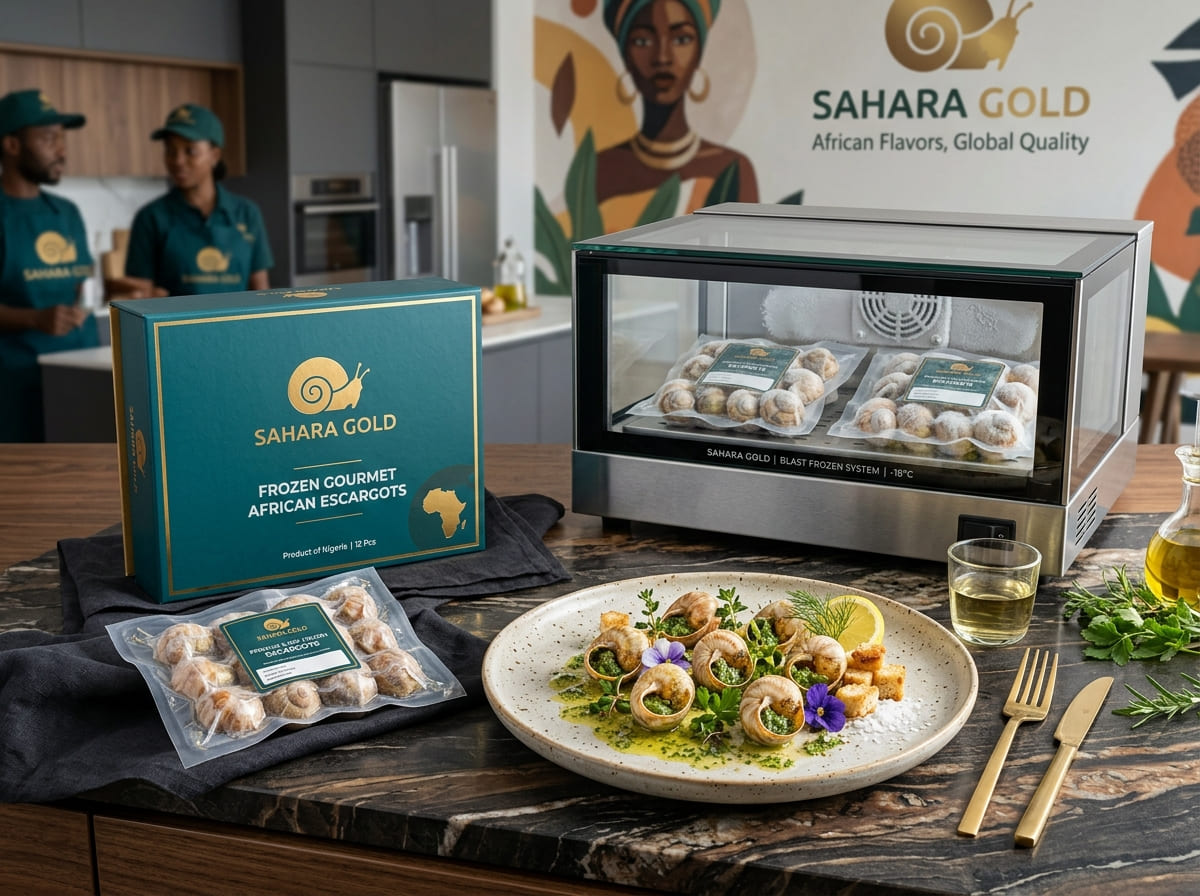
When discussing Africa’s primary agricultural exports, commodities like cocoa, coffee, and fresh horticultural produce typically dominate the conversation. However, a quiet shift is occurring in the high-value specialty food sector. Driven by changing global consumer preferences, a unique livestock product is rapidly climbing the value ladder: the African giant snail.
Long celebrated across various regional African cuisines as a cherished delicacy, snail products (heliciculture) are experiencing a massive surge in demand across international markets. From the white-tablecloth bistros of Europe to the health-conscious urban centers of Asia and North America, African snail products are transitioning from a traditional staple into a premium, high-yield global export.
Here is an analysis of why this unique sector is booming and how modern infrastructure is turning it into a major economic opportunity.
1. The Gourmet Revolution: Meeting the Escargot Deficit
The appreciation for snails—traditionally known as Escargot—is deeply rooted in European gastronomy, particularly in France, Italy, and Spain. However, European domestic snail farms and wild foraging networks are no longer able to keep pace with soaring consumer and restaurant demands.
This supply deficit has opened a massive gateway for African snail products.
[European Supply Deficit] + [Massive Size of African Giant Snails] = [High-Value Gourmet Export Opportunity]
The African Giant Snail (Archachatina marginata and Achatina achatina) offers a distinct competitive advantage in the culinary world: scale and meat yield. They are significantly larger than their European counterparts, providing a substantial, tender, and high-quality meat profile that gourmet chefs and food processors highly prize. When processed under sterile, premium conditions, these products fit seamlessly into the international luxury food supply chain.
2. The Ultimate Sustainable Superfood
Beyond the luxury dining market, a macroeconomic shift toward health, wellness, and environmental sustainability is driving the global demand for snail products. Modern consumers are actively searching for alternative protein sources that carry a minimal environmental footprint.
Snails are a biological marvel in terms of nutritional density and resource efficiency:
- High-Quality Protein: Snail meat is exceptionally high in protein while being virtually free of cholesterol and low in lipids.
- Rich in Micronutrients: It is packed with essential iron, magnesium, calcium, and phosphorus, making it an ideal superfood for health-conscious demographics.
- Low Carbon Footprint: From an environmental standpoint, snails require a fraction of the land, water, and feed compared to traditional livestock like cattle or poultry, emitting negligible greenhouse gases.
As global food systems pivot toward climate-smart nutrition, African heliciculture stands out as a highly sustainable answer to the world’s protein needs.
3. The Processing Imperative: Turning Raw Potential into Export Grade
The international market for snail products is highly lucrative, but it is also fiercely guarded by strict sanitary and safety regulations. Raw, unprocessed agricultural goods cannot easily cross these borders. The key to unlocking global wealth in this sector lies entirely in domestic agro-processing.
To move from a local backyard farm to an international supermarket shelf, snail products must pass through an industrialized, certified production line:
- Purging and Cleaning: Snails must undergo a rigorous, automated purging process in controlled environments to eliminate all digestive tract residues.
- Precision Processing: The meat must be humanely extracted, shelled, and meticulously cleaned using sterile, industrial-grade food systems.
- Advanced Blast Freezing: Snail meat is highly perishable. To preserve its delicate texture, color, and nutritional profile, it must move instantly from the processing line into high-performance blast freezers.
[Harvest] ➔ [Industrial Purging] ➔ [Sterile De-shelling] ➔ [Blast Freezing] ➔ [Certified Cold Chain Export]
By packaging the final product in high-barrier, vacuum-sealed export cartons, local processors can guarantee the absolute freshness and safety required by international customs.
4. Tapping into the Multi-Billion Dollar Cosmetics By-product Market
One of the most fascinating aspects of modern heliciculture is that its value extends far beyond the food plate. The global cosmetics industry has undergone a massive “snail mucin” boom, driven by the explosive popularity of Korean skincare (K-Beauty) and global dermatological trends.
Snail slime (mucin) is naturally rich in hyaluronic acid, glycolic acid, collagen, and elastin—compounds scientifically proven to hydrate, repair, and anti-age human skin.
An integrated agricultural ecosystem allows for a dual-revenue stream. Processing facilities can ethically harvest snail mucin as a premium raw material for the multi-billion dollar global skincare market before the snail meat is prepared for the food distribution sector. This zero-waste, circular approach significantly amplifies the economic return per yield.
Conclusion: ENATTA’s Role in Niche Export Excellence
The soaring global demand for African snail products proves that the continent’s agricultural wealth isn’t limited to traditional cash crops. However, capturing this premium market requires more than just high-quality farming—it demands a flawless, certified bridge to the world.
At ENATTA, we design our modern agro-processing facilities, strict food safety protocols, and climate-controlled cold chain infrastructures to accommodate both mass staples and highly specialized, premium niche exports.
By applying world-class industrial standards, global traceability, and elite packaging systems to emerging sectors like heliciculture, ENATTA ensures that African agribusinesses can confidently step into lucrative global markets, commanding the premium prices their innovations deserve.
Interested in exploring the high-yield world of certified specialty agricultural exports? Subscribe to the ENATTA blog for regular deep dives into Africa’s evolving food production landscape, or contact our export division today.